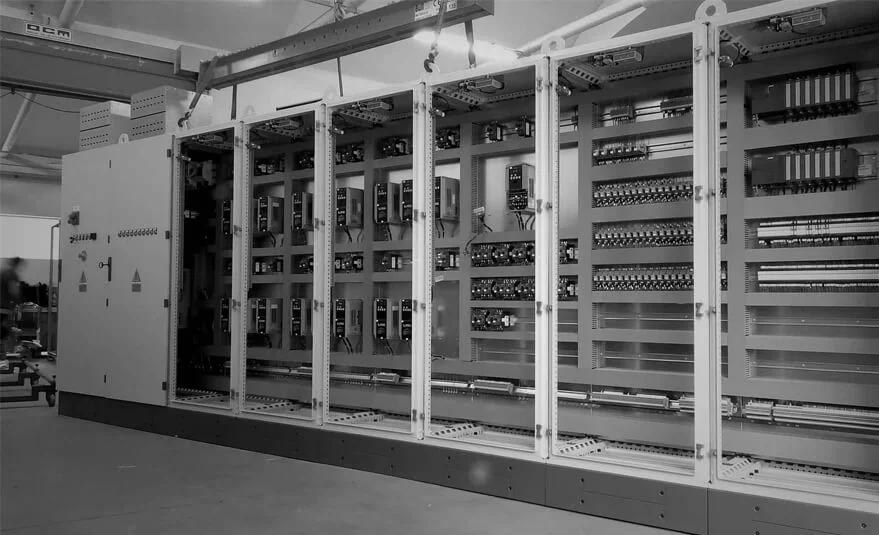
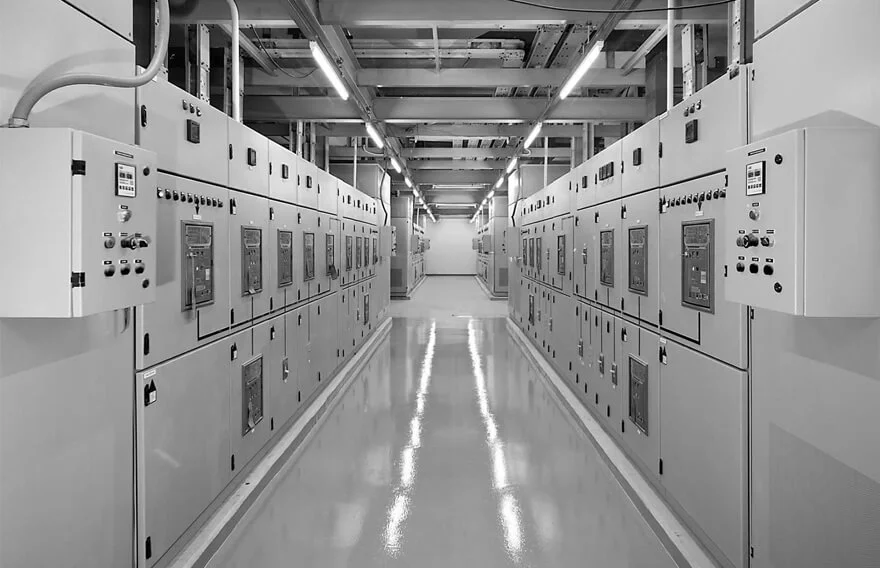
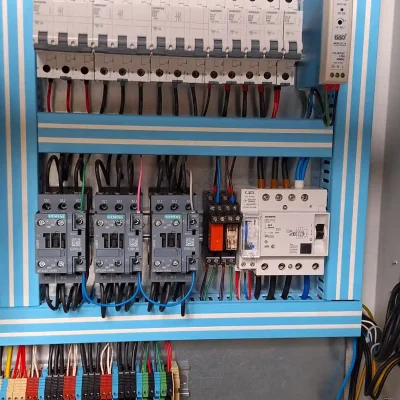
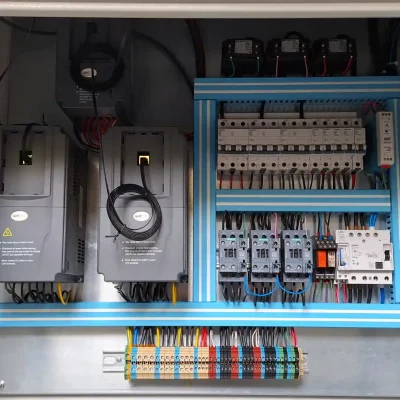
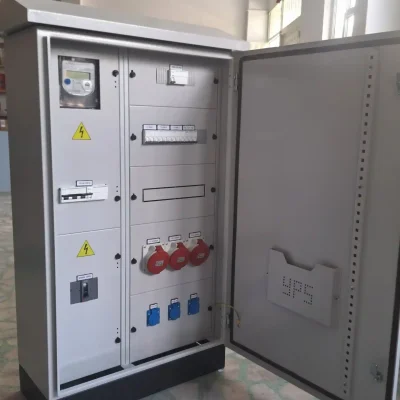
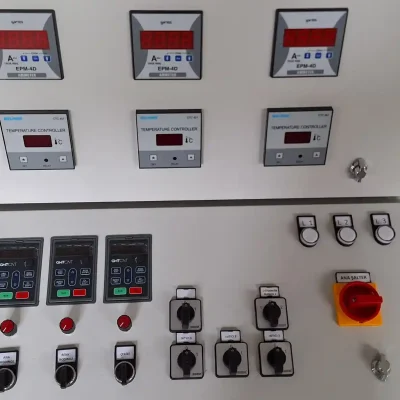
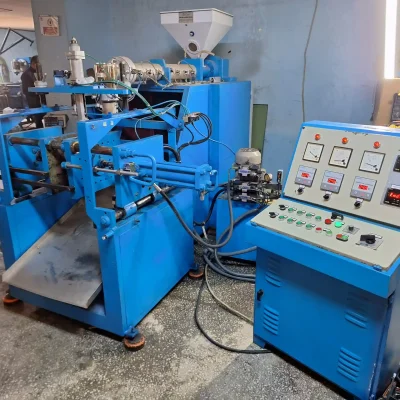
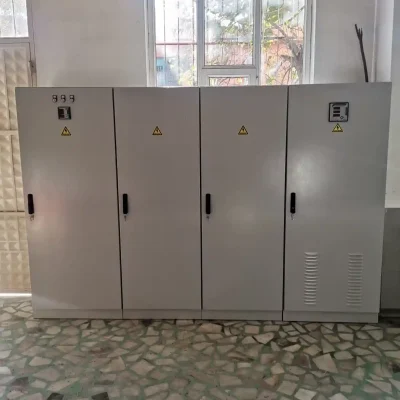
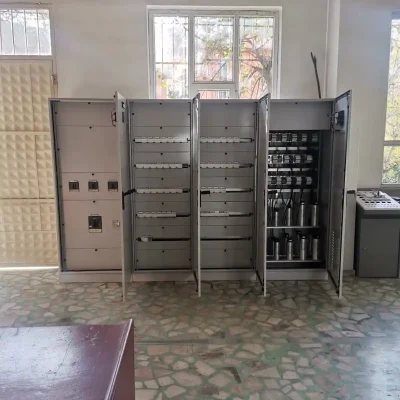
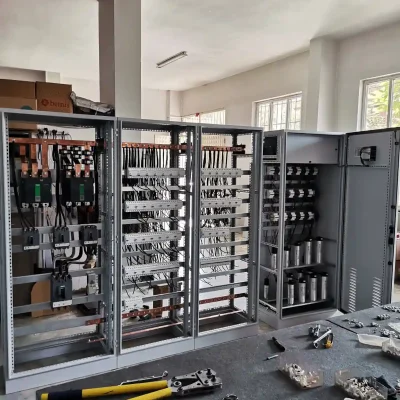
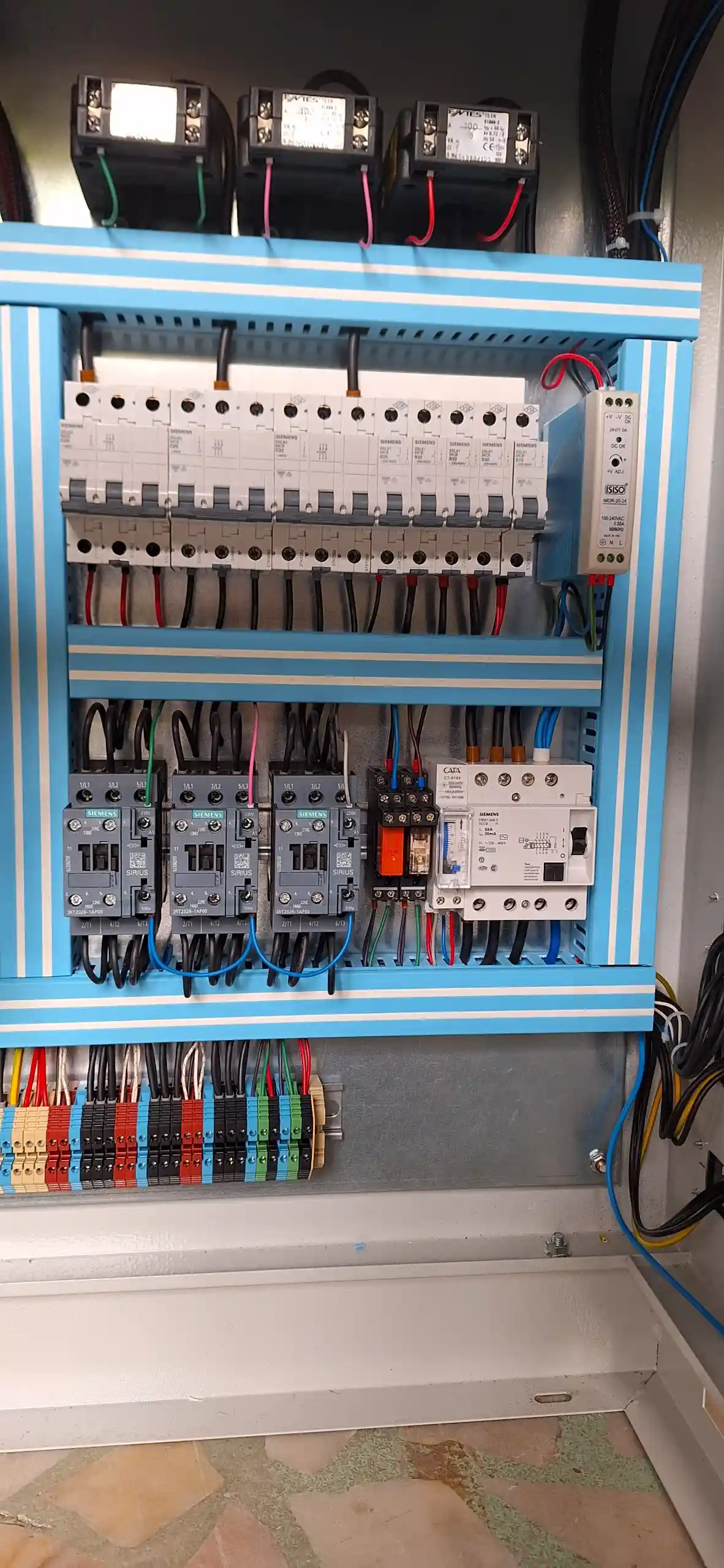
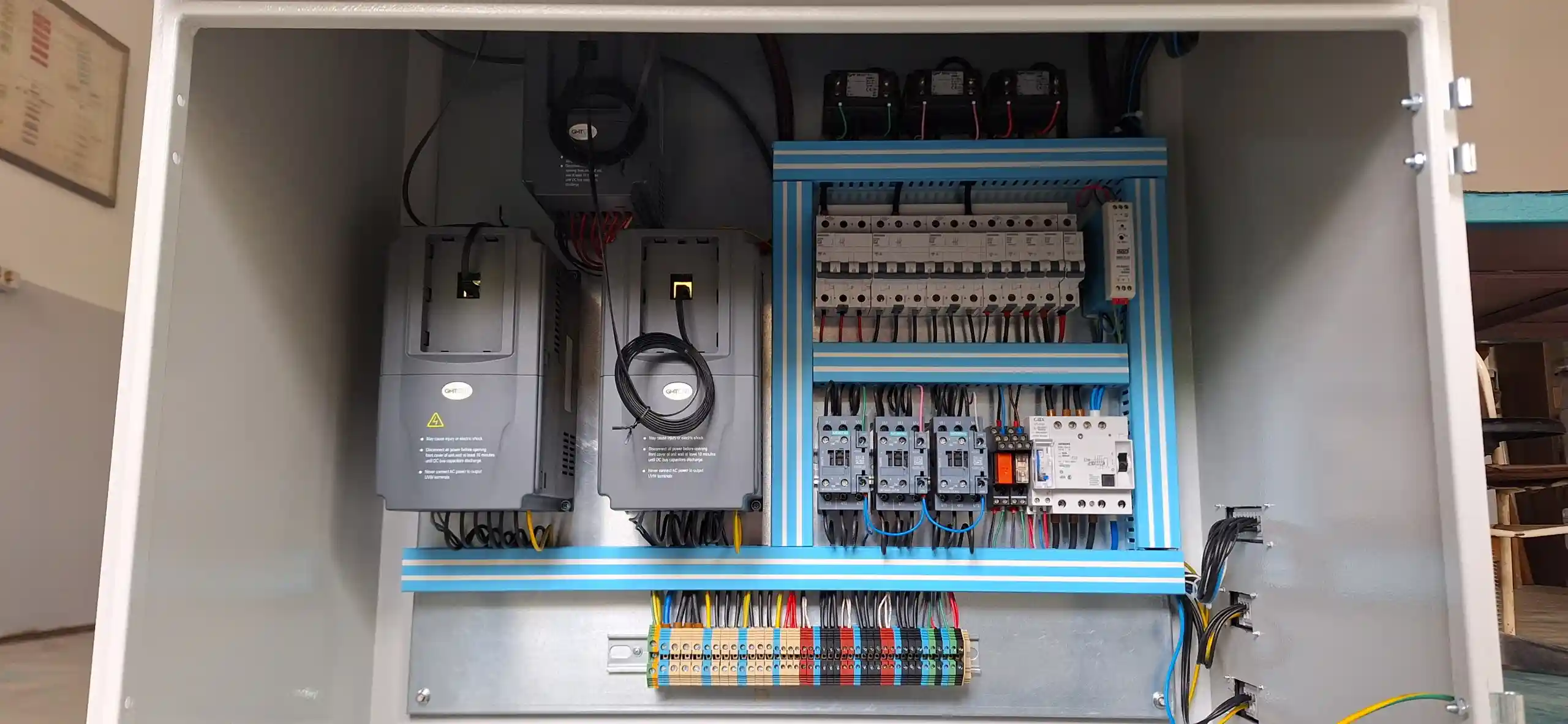
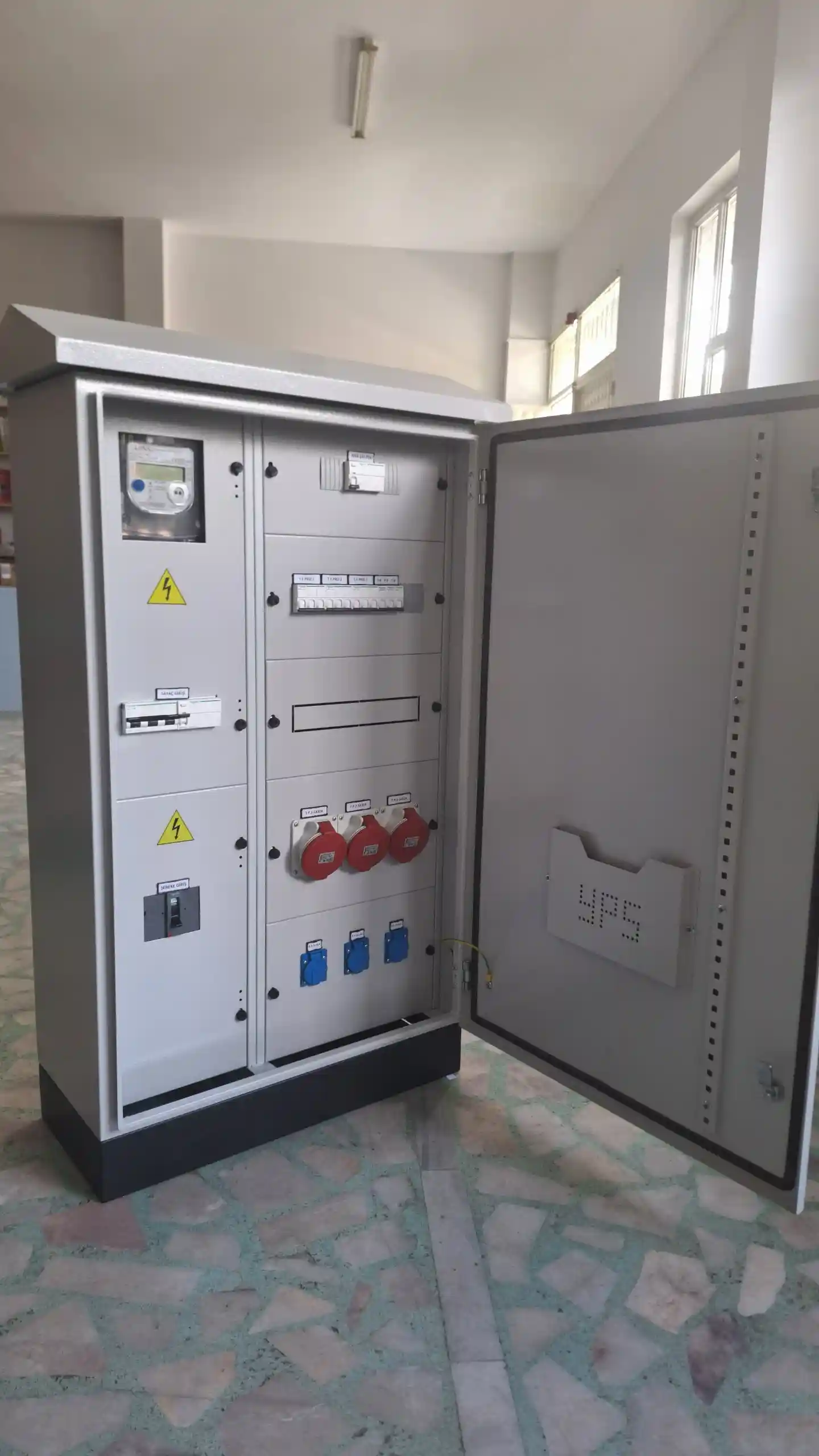
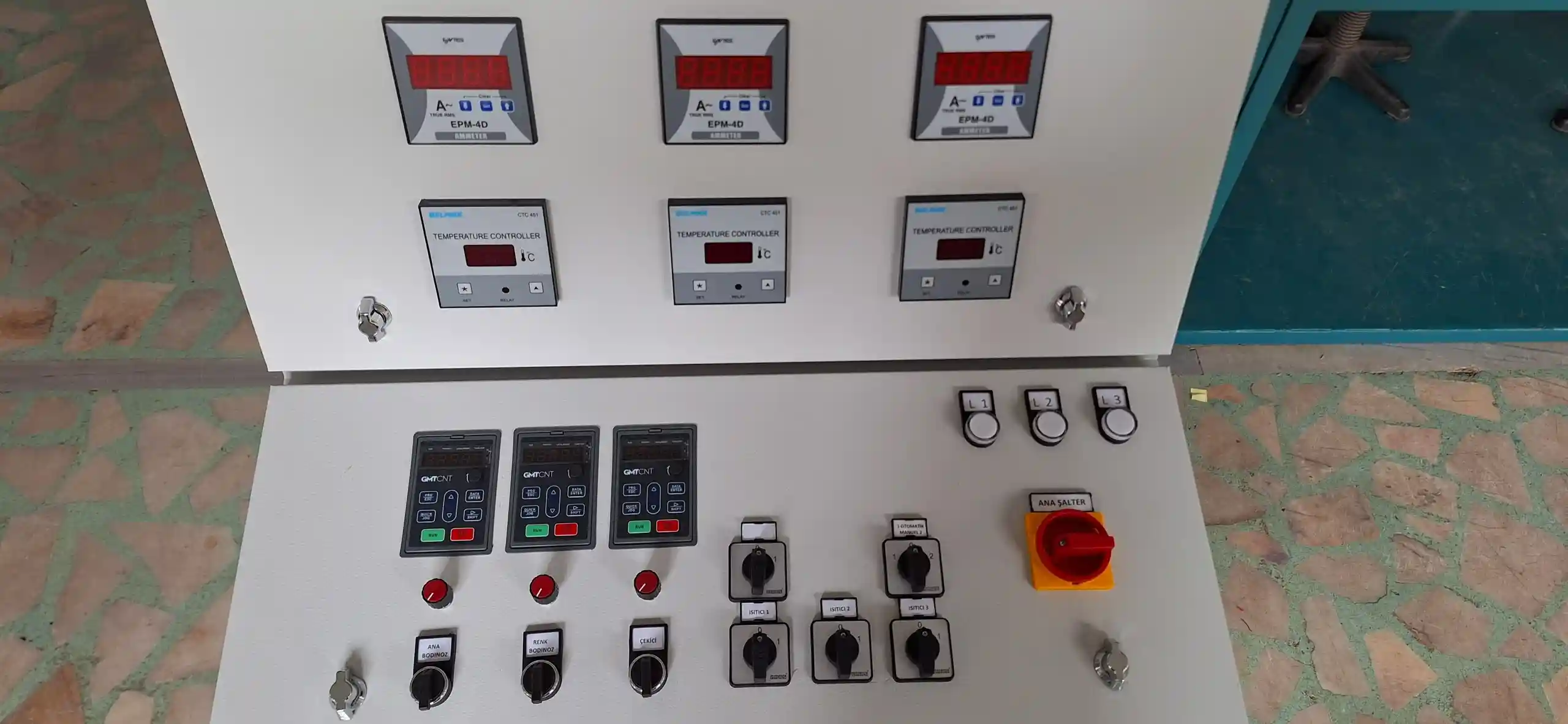
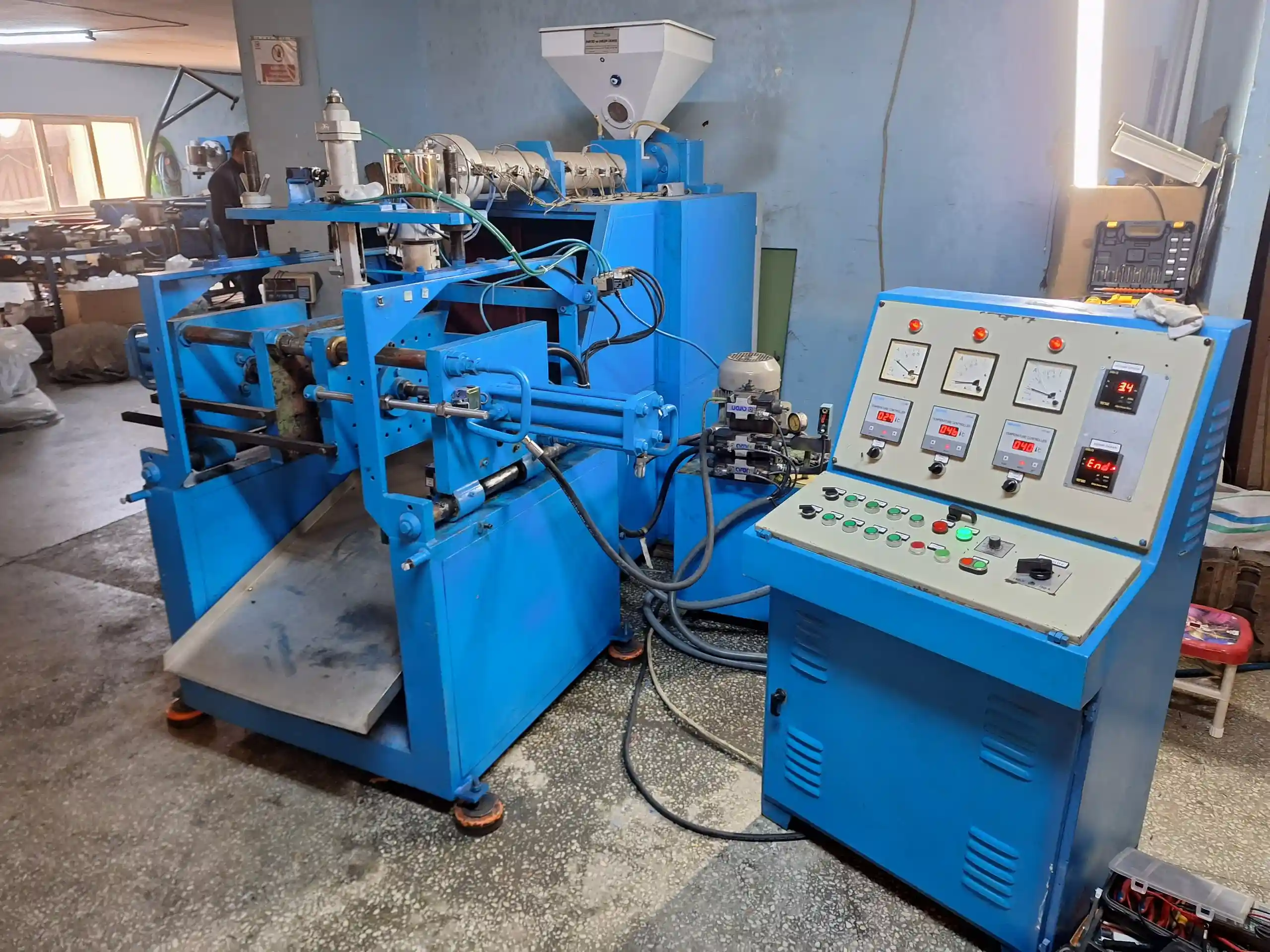
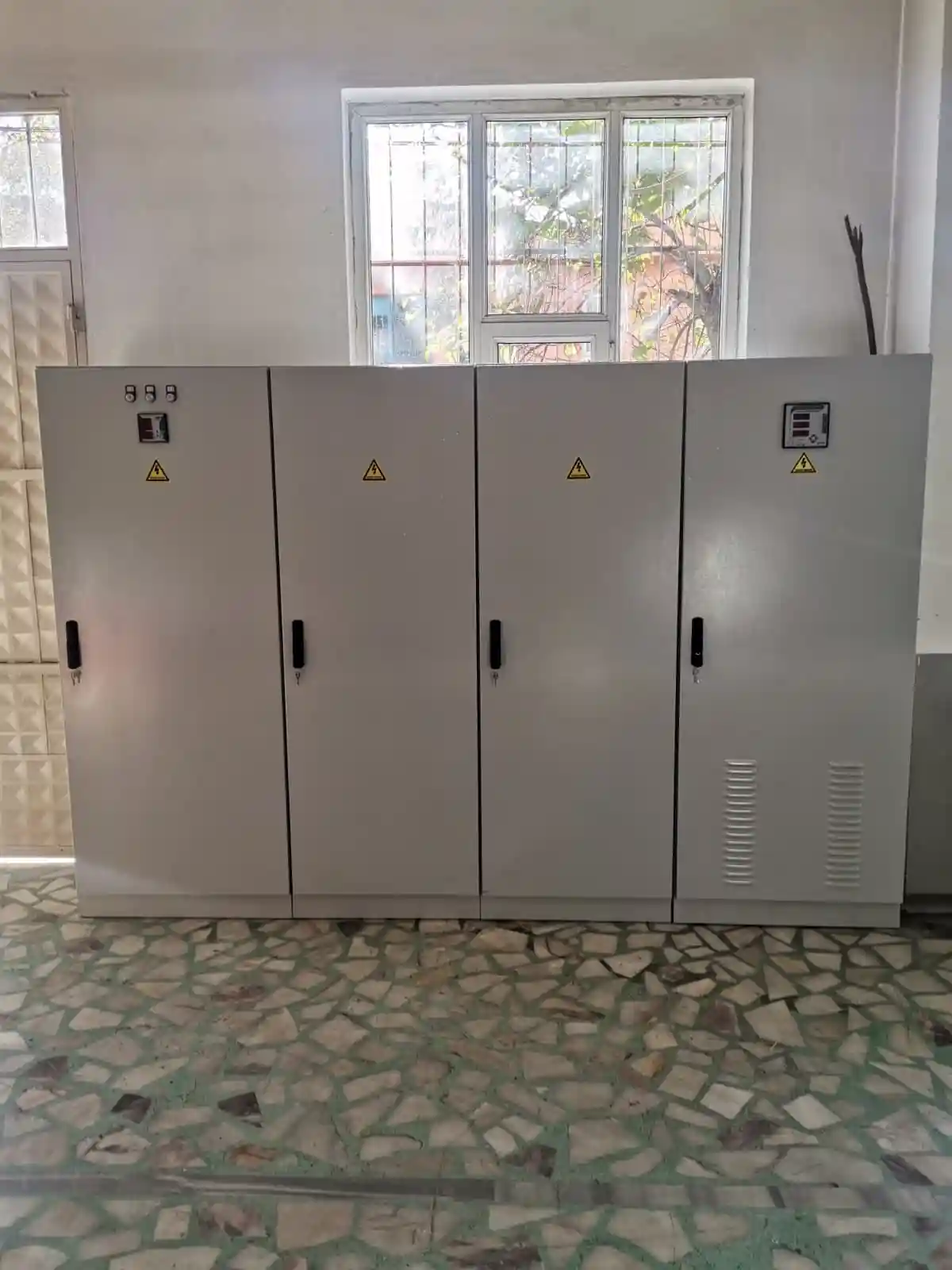
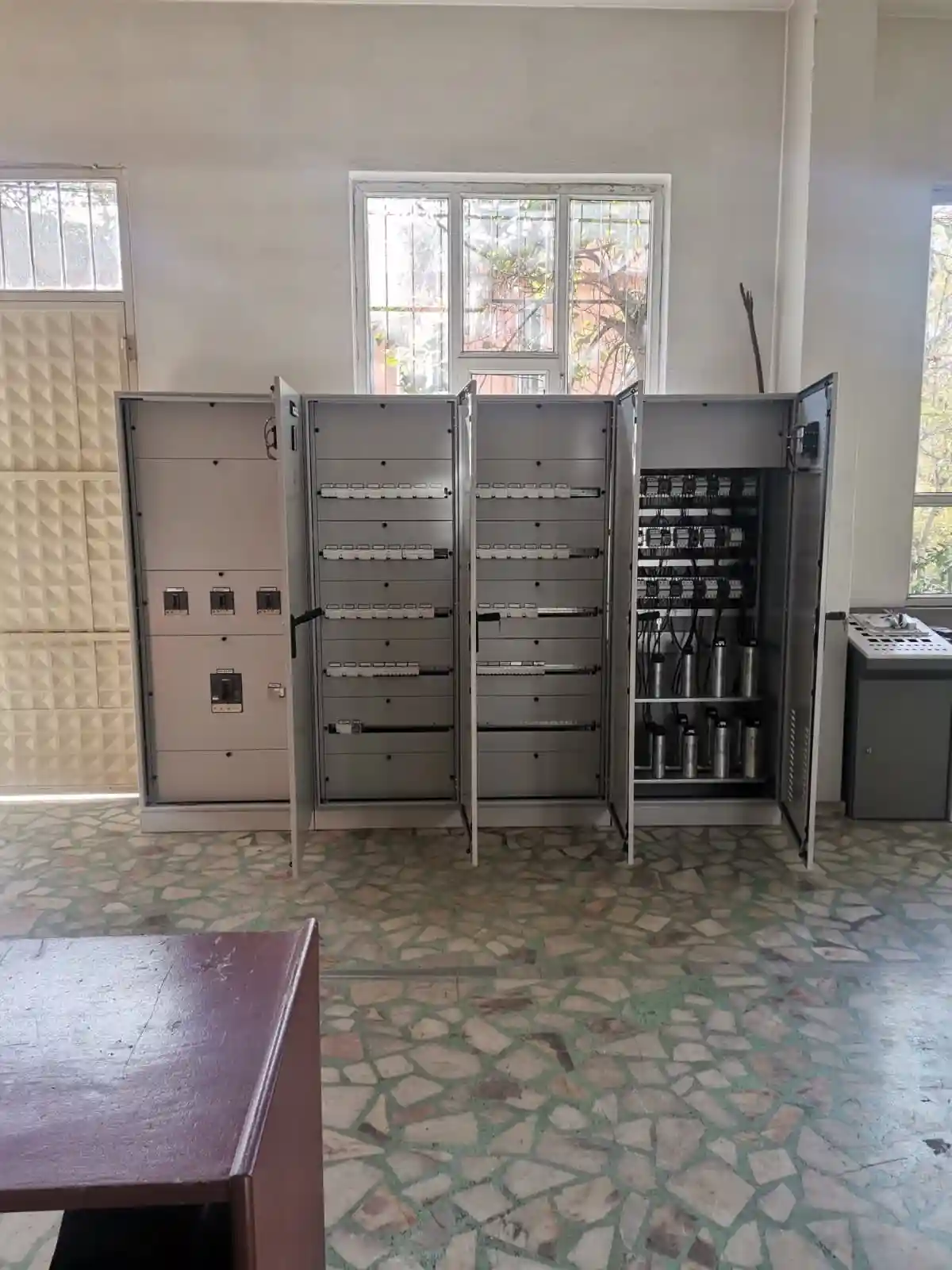
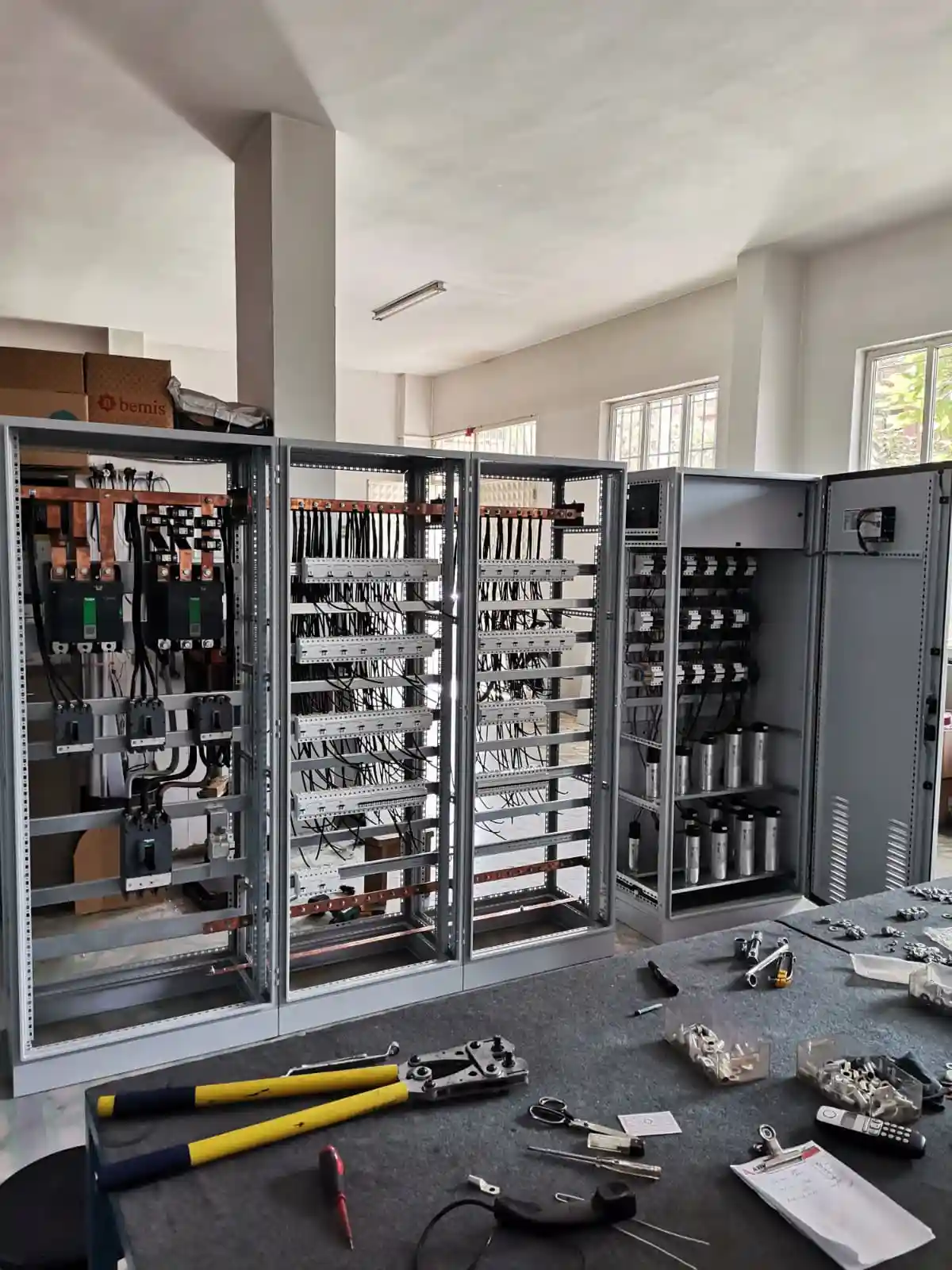
Automation panels are critical components that enable automatic control of the production processes of industrial plants. These systems are often preferred to minimize labor and increase productivity by optimizing production processes. Automation panels are generally divided into two main categories:
PLC (Programmable Logic Controller) panels
DCS (Distributed Control System) panels
PLC panels manage various machinery and equipment through a single control unit. These panels are widely used, especially in small and medium-sized industrial applications. Thanks to their flexible and programmable structure, they can be easily adapted to different production processes. PLC panels are generally preferred where production lines need to be controlled quickly and precisely.
DCS panels are used in larger and more complex industrial plants. These systems consist of distributed control units connected to a central control unit. Each unit controls a specific process and provides feedback to the central unit with a continuous stream of data. This structure enables processes to be managed more efficiently and safely in large-scale plants.
Automation panels are used not only in industrial plants but also in smart buildings. Smart building automation systems include various applications such as energy management, lighting control, security systems and integration of HVAC (Heating, Ventilation and Air Conditioning) systems. These systems aim to reduce energy consumption and operating costs while increasing the comfort of building occupants.