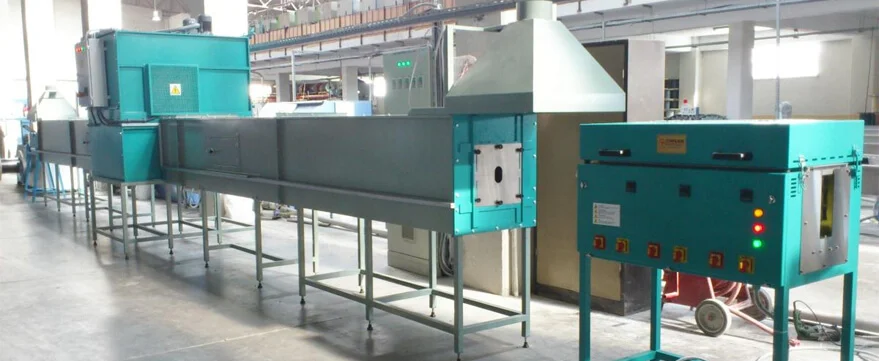
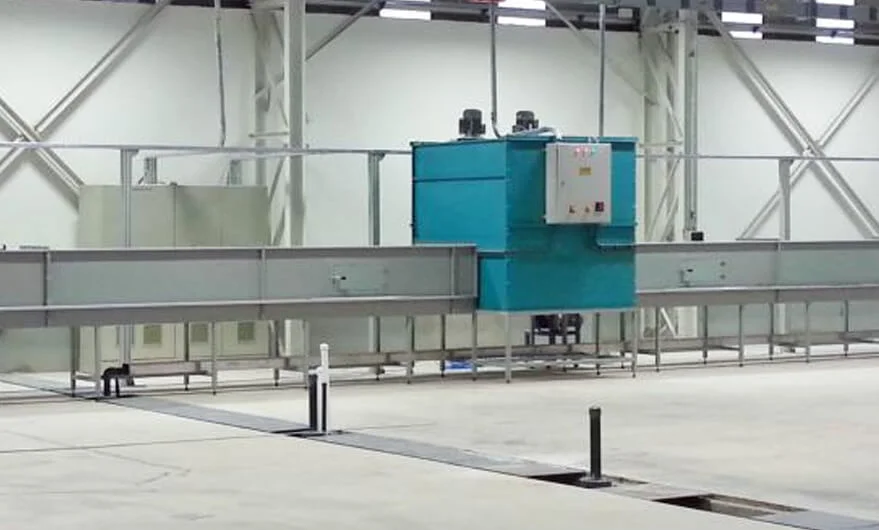
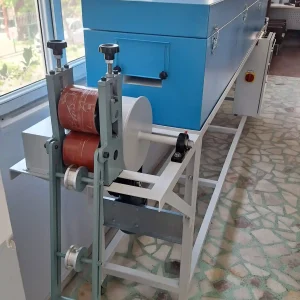
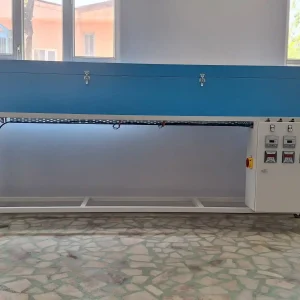
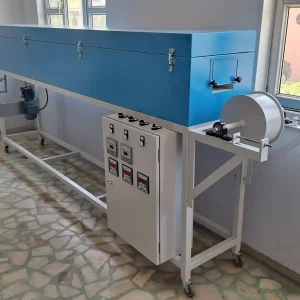
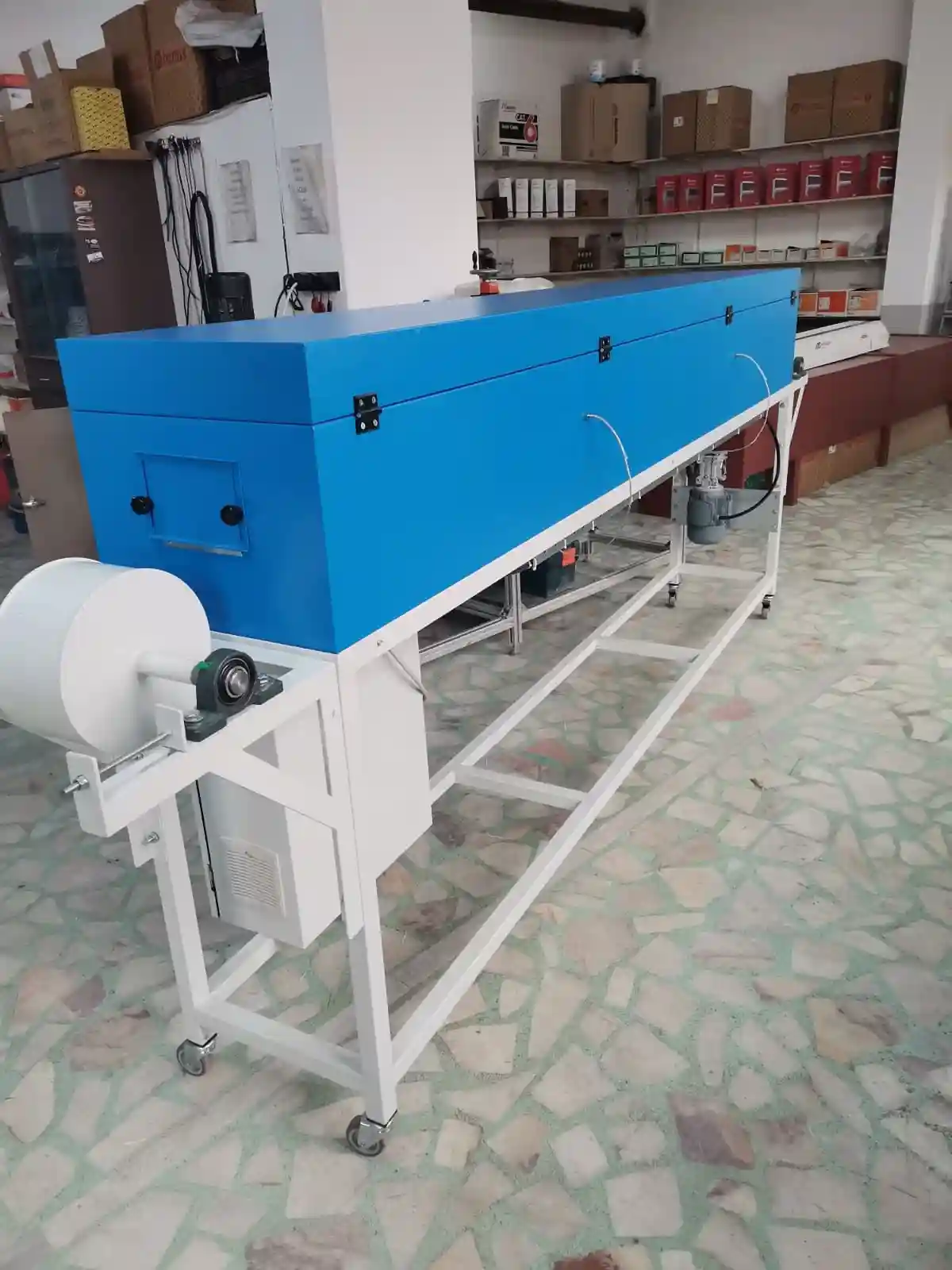
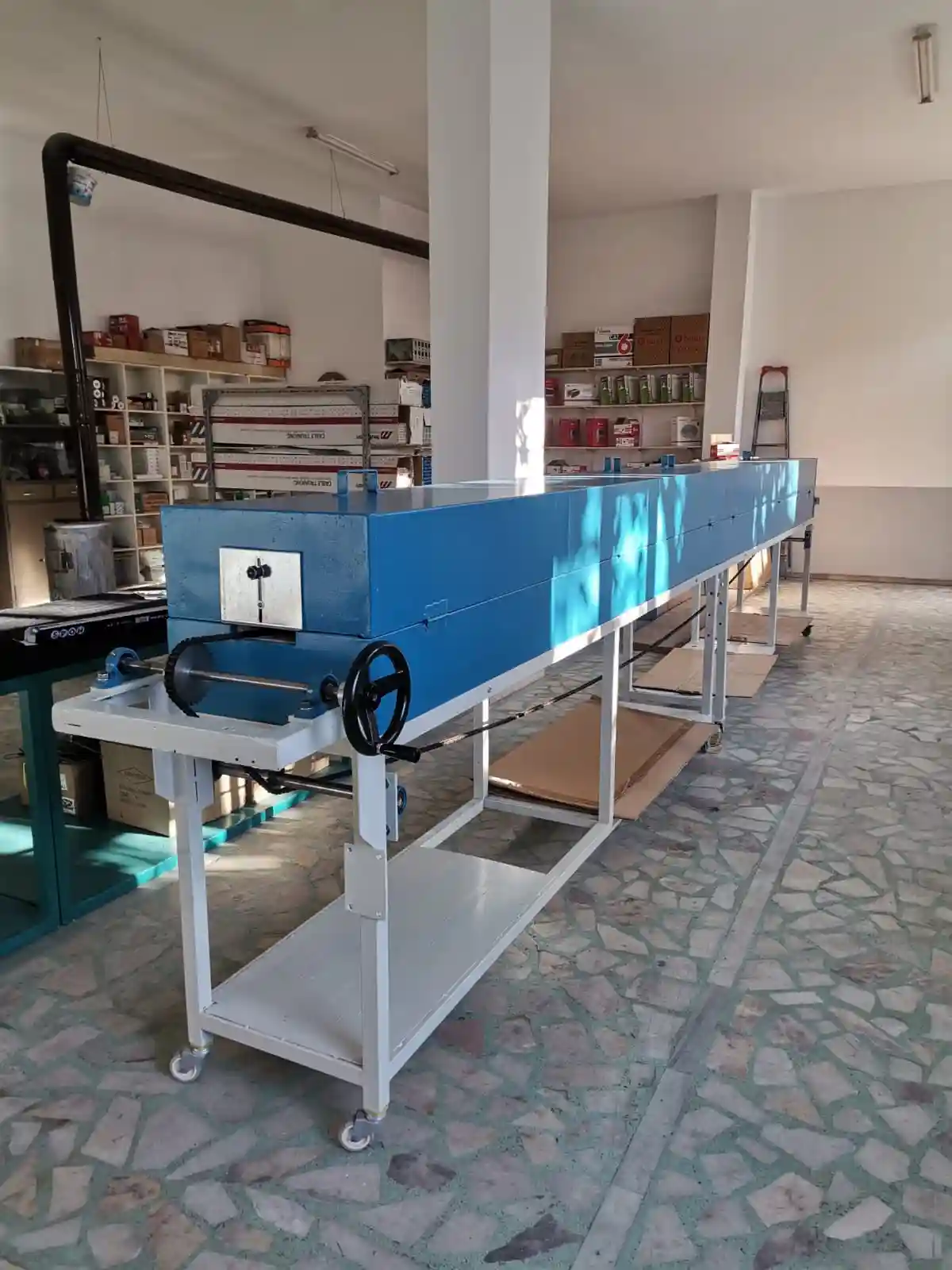
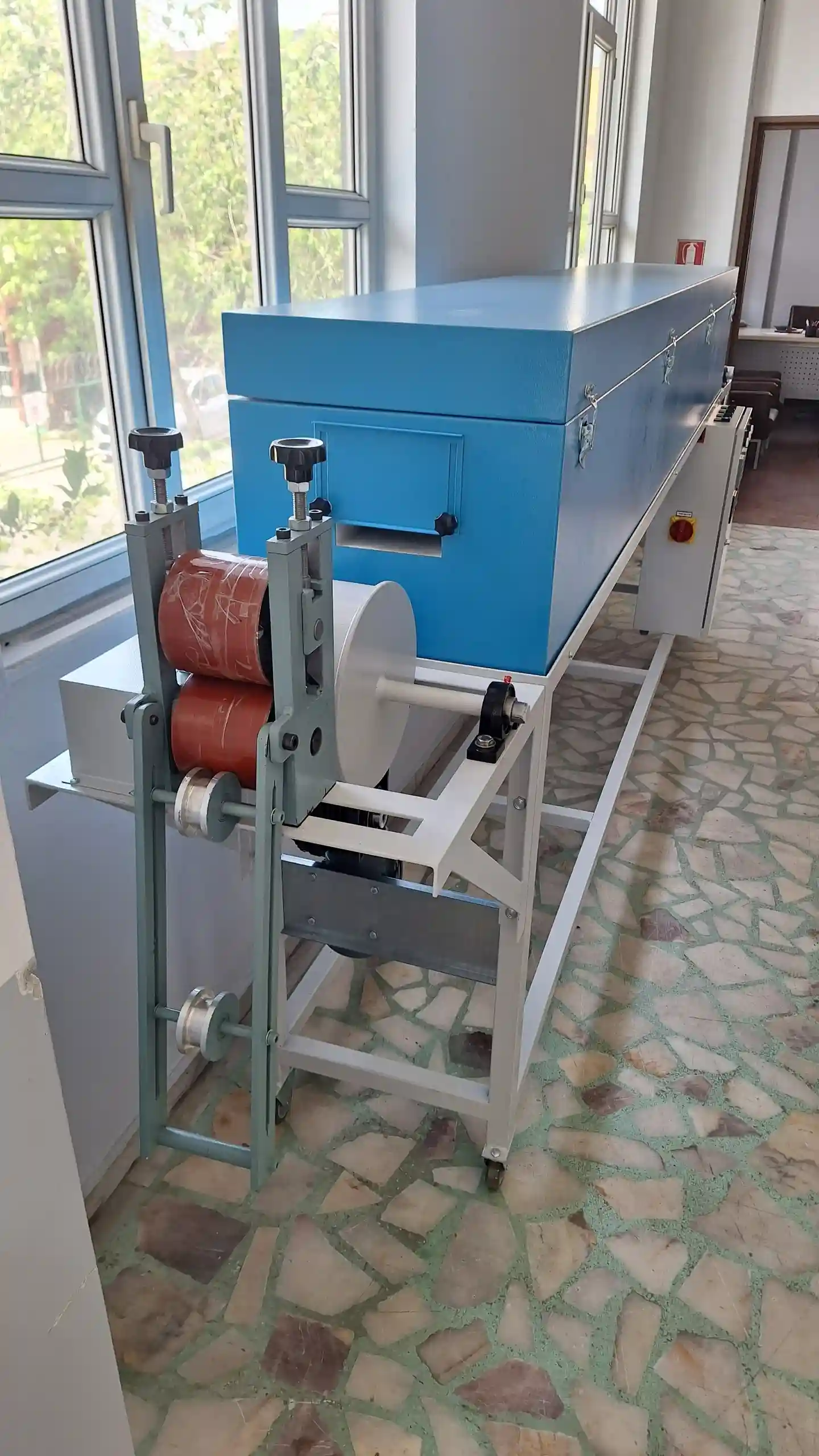
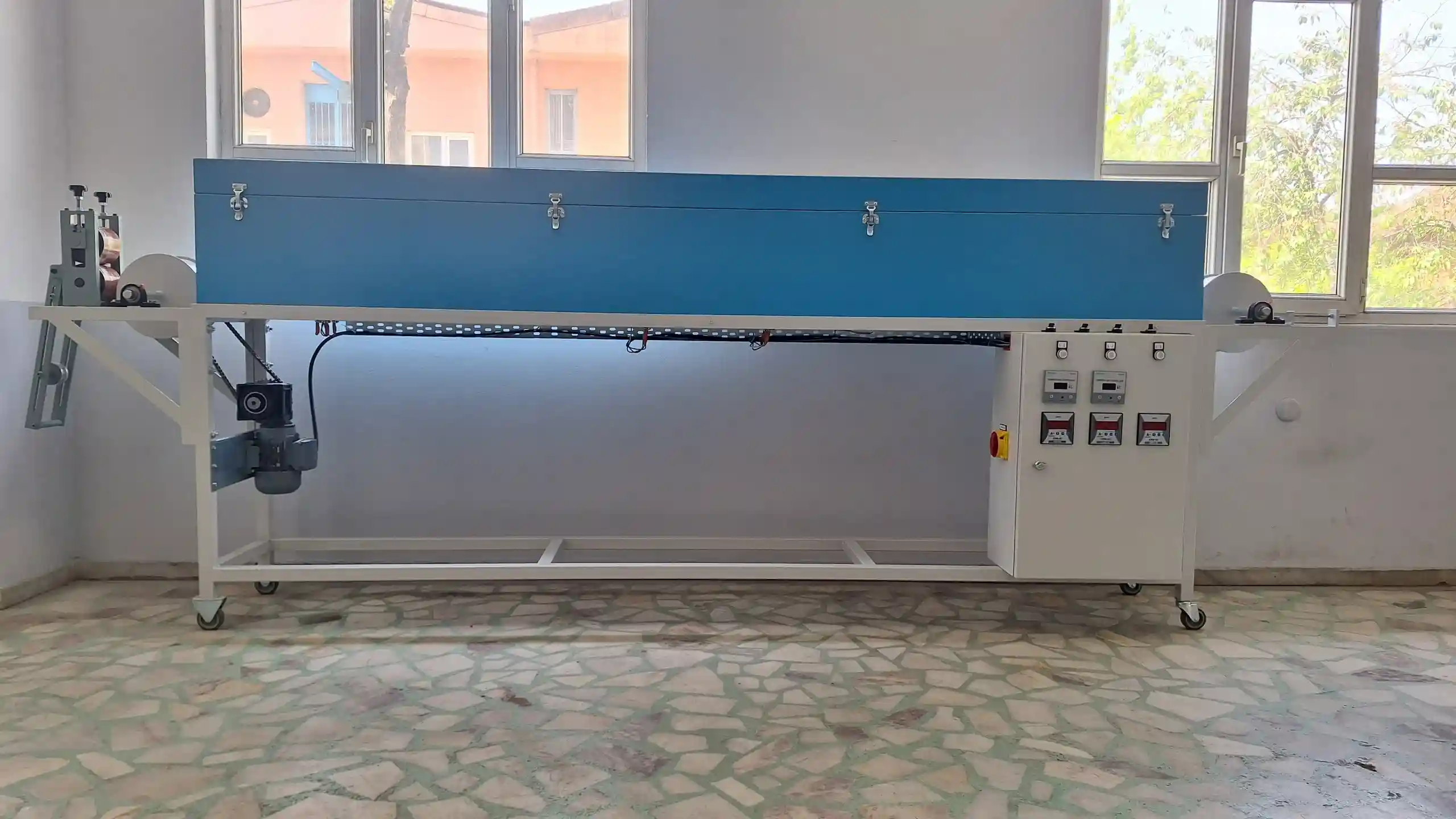
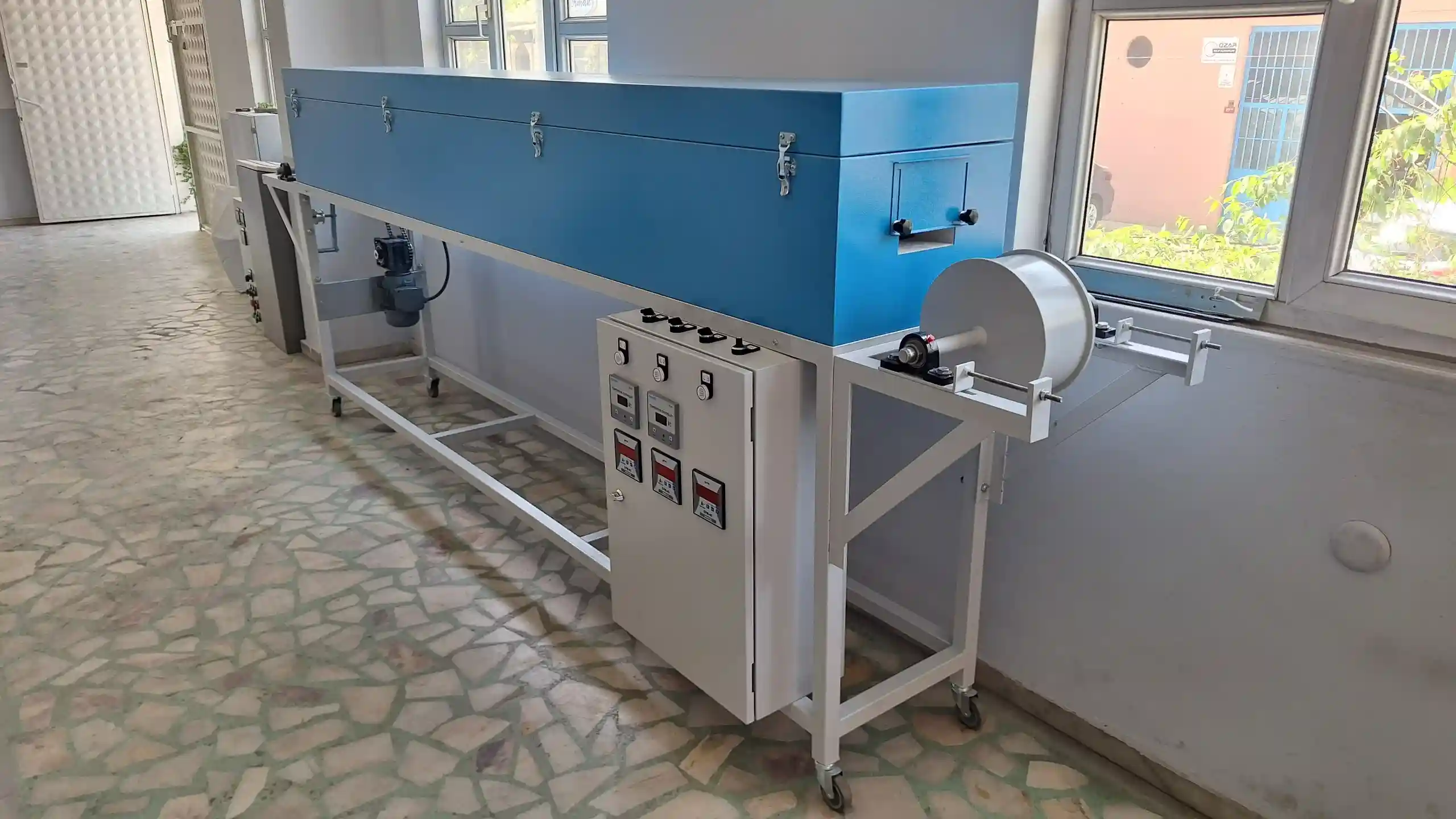
Silicone Cable Curing Hot Air Tunnel, the tunnel ovens used in the industry generally consist of panels mounted on profile construction and are heated by resistances arranged opposite each other along the inner side panels. In ovens with this type of construction body, excessive heat losses occur.
In such tunnel furnaces, since the thermocouple element is usually placed close to the heating elements, it senses directly the temperature of the high-grade heating element and not the appropriate air temperature of the material. This produces misleading temperature readings.
In cylindrical or square shaped silicone cable ovens, the silicone cable is cured by passing it through resistances lined up along the oven and heated at high temperatures such as 600ºC. However, these high temperatures emitted by the resistances cause the silicone material passing in front of it to scorch.
Since there is no circulation fan in this type of ovens, a homogeneous curing process cannot be achieved. This causes roasted silicone materials to fail rupture tests. In addition, since there is no air flow passing over the resistances due to the lack of a circulation fan, the resistances are constantly exposed to high temperatures and fail quickly. This leads to production stoppage.